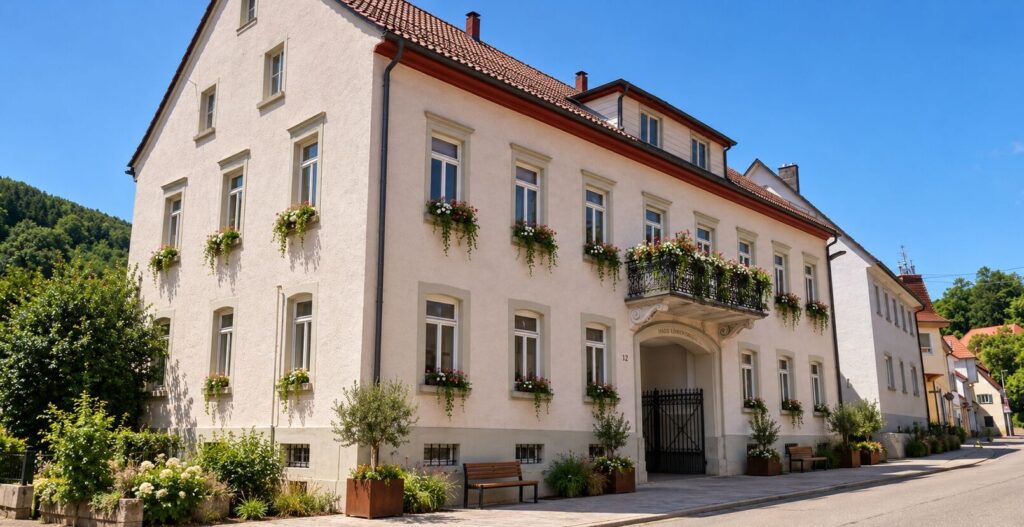
Haus Löwenthal
An emerging institution for sustainable design, art, and intercultural exchange.
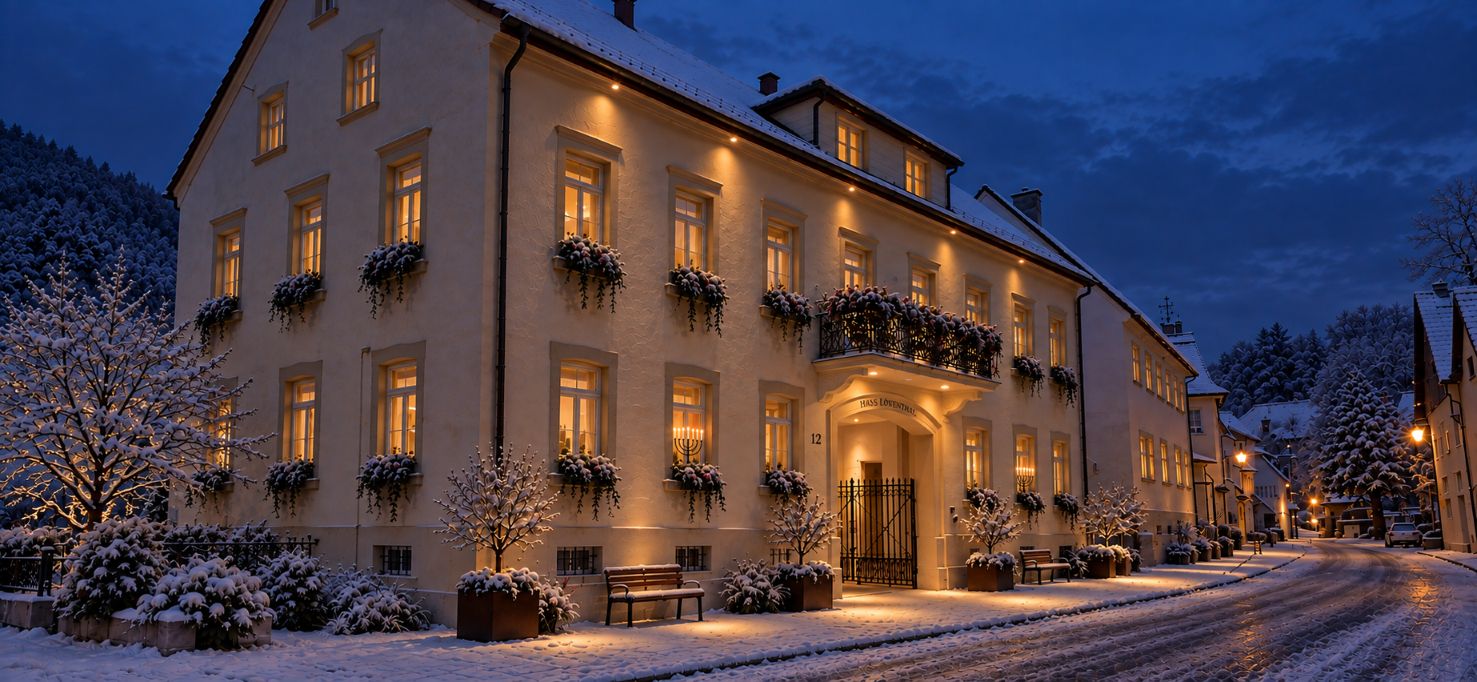
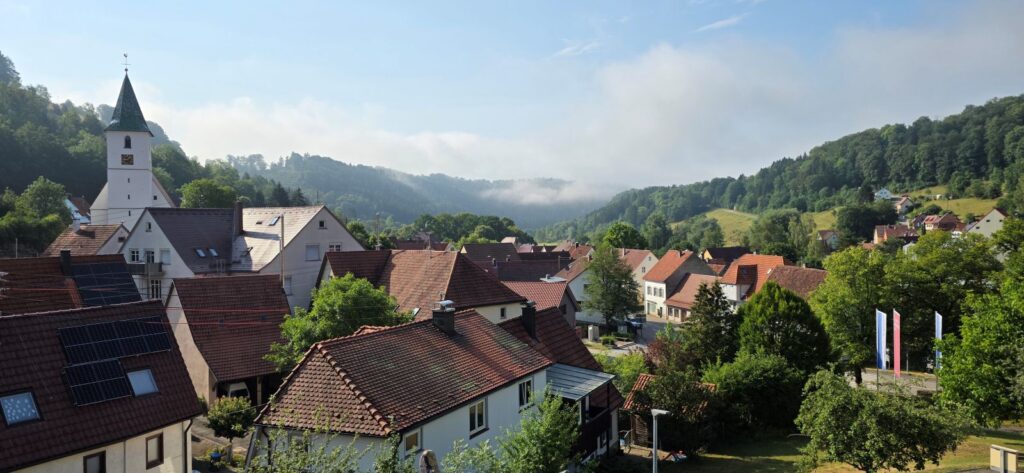
Haus Löwenthal stands in the heart of Buttenhausen, a village shaped by centuries of coexistence and vibrant Jewish heritage.
Today, this historic home is becoming the center of a new foundation — a place where landscape, culture, and creativity meet to imagine resilient futures.
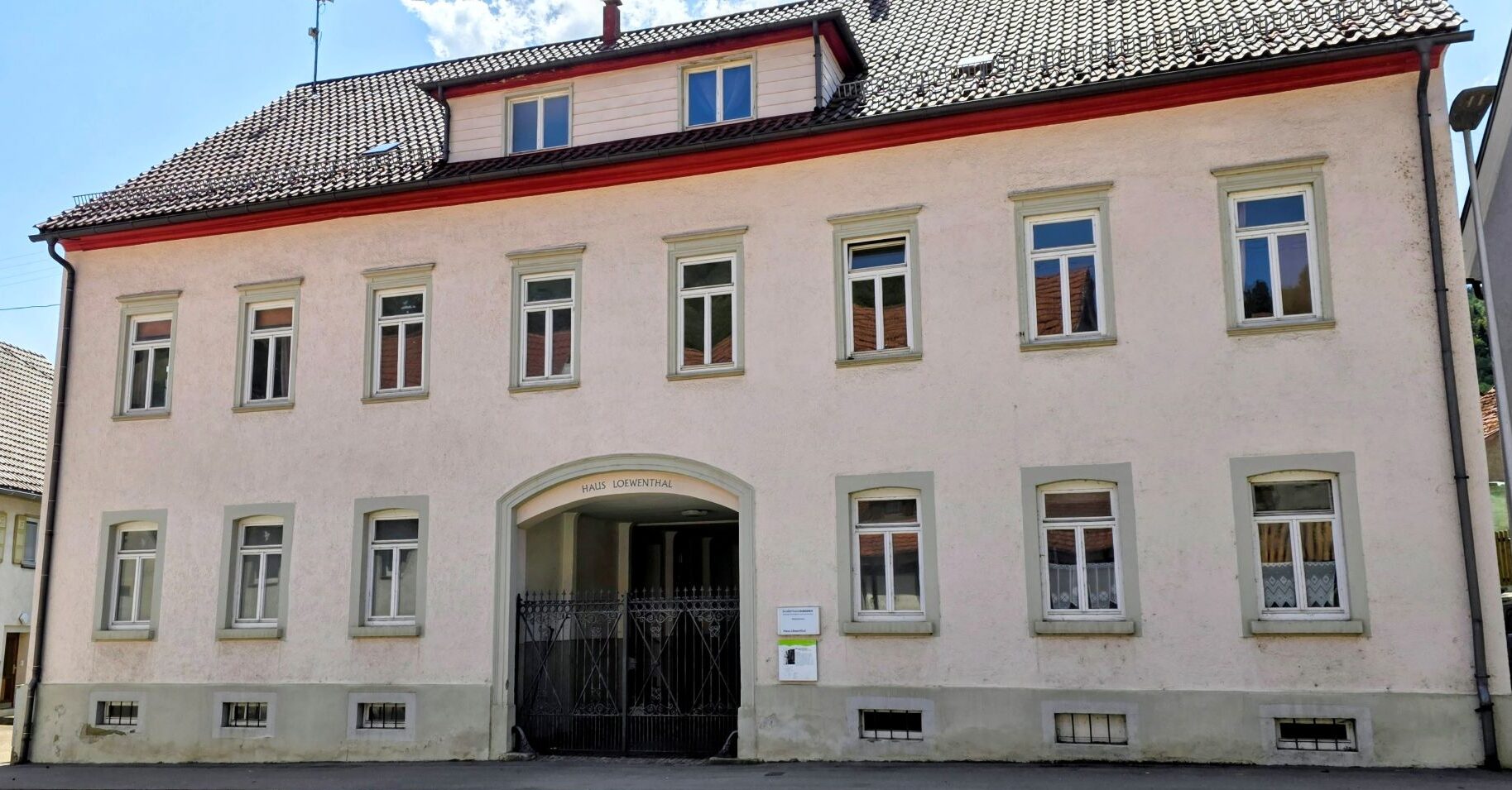
The story
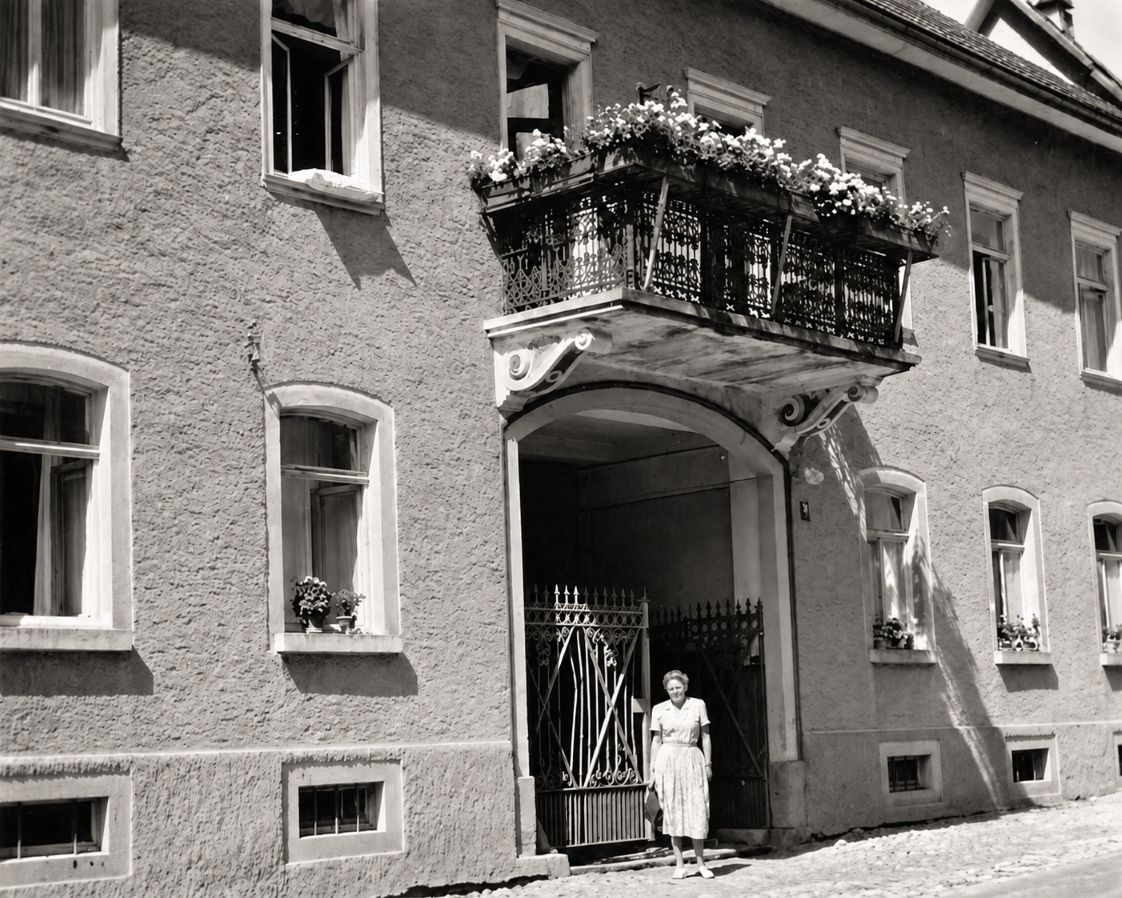
Built in the mid-nineteenth century by the Löwenthal and Levi families, the house once combined family life and a successful horse business, forming part of Buttenhausen’s vibrant Jewish community. The surrounding landscape, cemetery, and traces of daily life still speak of that shared history.
Stiftung Haus Löwenthal (Haus Loewenthal Foundation) will honor this heritage by protecting the building and making it a living institution for education, art, and international exchange.
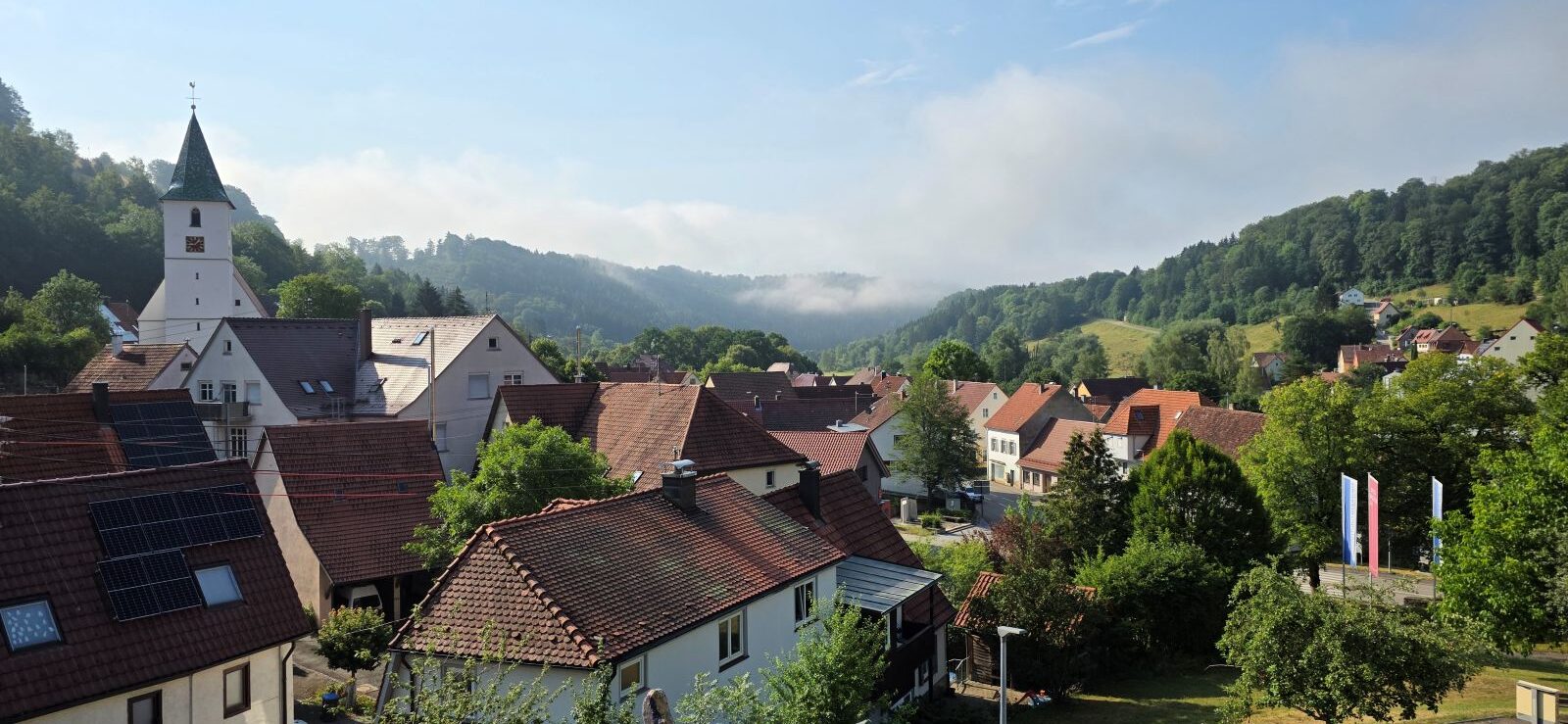
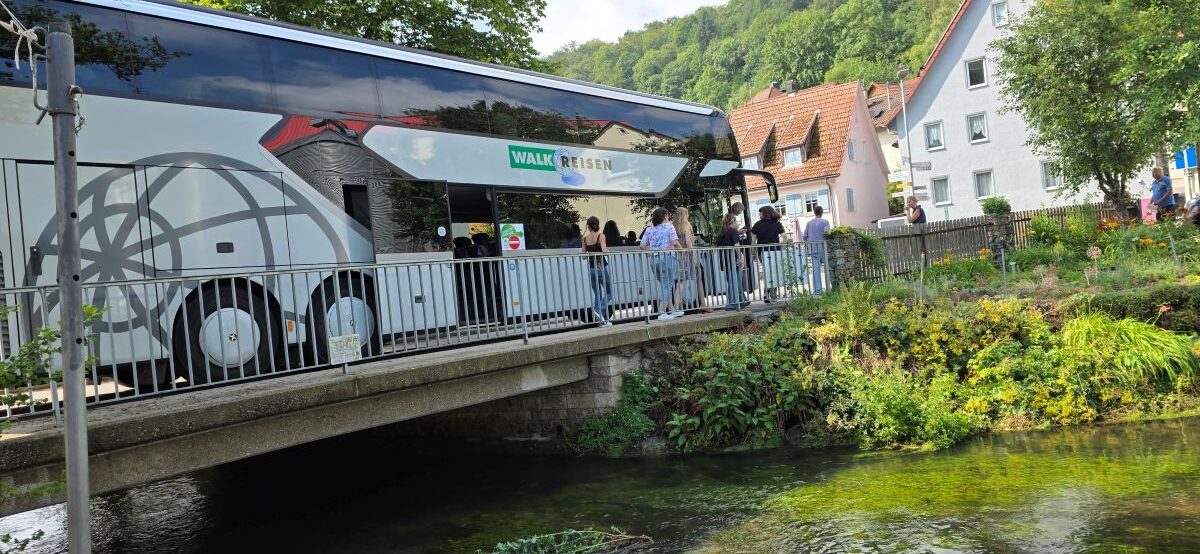
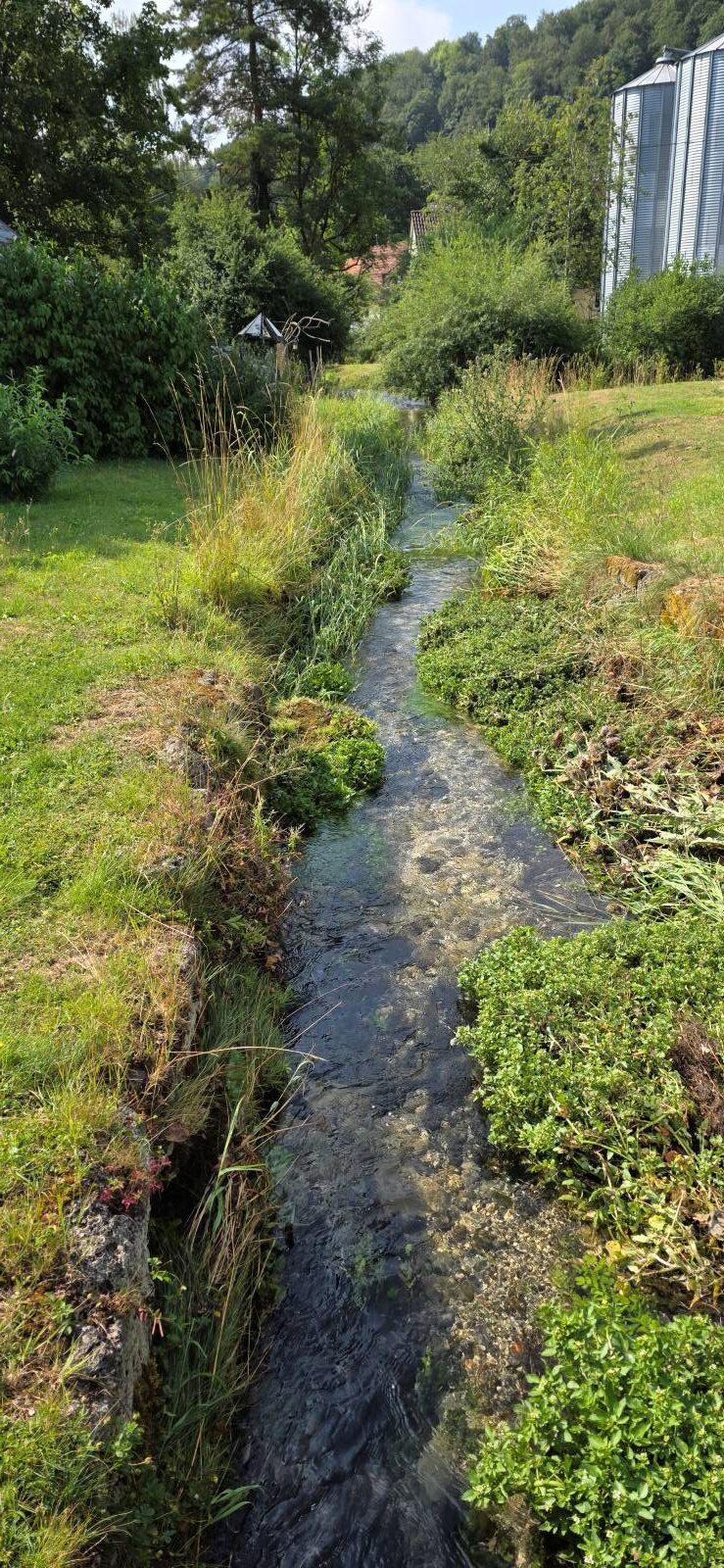
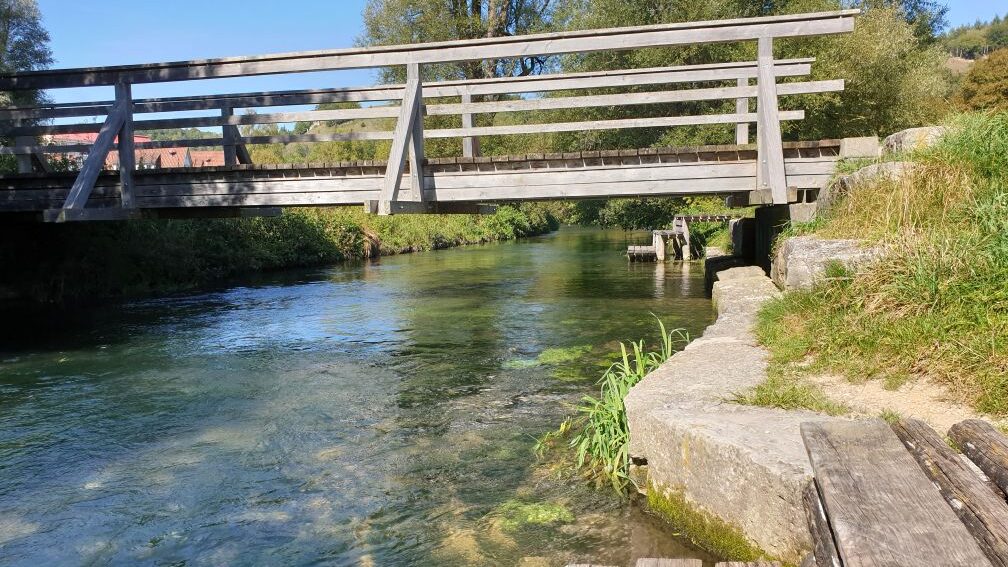
Located in Münsingen‑Buttenhausen in the Swabian Alb, Haus Löwenthal sits within a landscape of forests, rivers, and villages that now form part of the UNESCO Biosphere Reserve. The region’s ecology and cultural memory shape every aspect of the foundation’s work.
Map of Buttenhausen — a village where landscape and memory intertwine.
A Future-Oriented Vision
Stiftung Haus Löwenthal (House Loewenthal Foundation), or SHL, is creating a center for resilient futures — advancing sustainability, art, and collaboration. The foundation transforms a historic home into a living campus for research, creative practice, and intercultural dialogue.
The house is the setting, the institution is the mission.
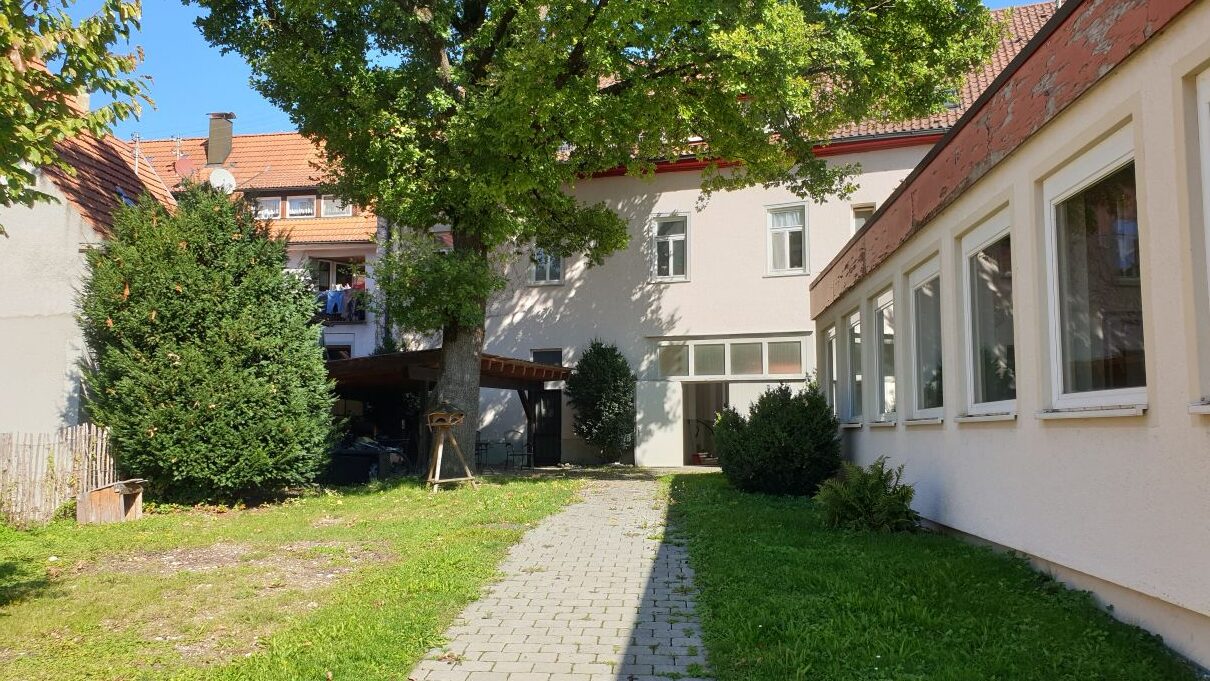
Haus Löwenthal is a spacious setting at the center of Buttenhausen, and part of the city of Münsingen. Nestled in the Lautertal (Lauter Valley), it is a spectacular place for performances, lectures, artist residencies, and environmental studies.
Mission
Our mission is to cultivate new forms of knowledge, creativity, and collaboration that respond to contemporary challenges while rooted in a culturally significant place.
SHL brings together students, educators, researchers, artists, and communities to explore ideas through direct engagement with landscape and heritage.
Program Pillars
Sustainability & Design
Research and design for regenerative landscapes, ecological restoration, and sustainable futures.
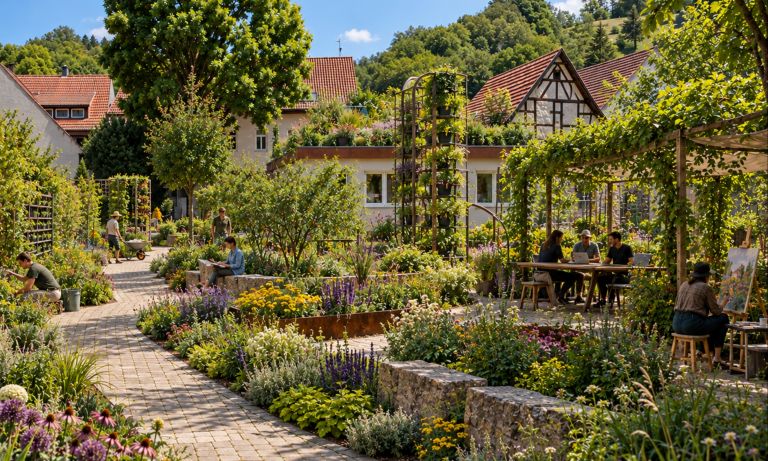
University studios, workshops, research programs and field-based learning will use the house and the surrounding Swabian Alb region as a living laboratory—connecting design thinking with ecological systems, cultural landscapes and the challenges of creating more sustainable futures.
Art & Music
Residencies, performances, and creative collaborations connecting heritage with contemporary expression.
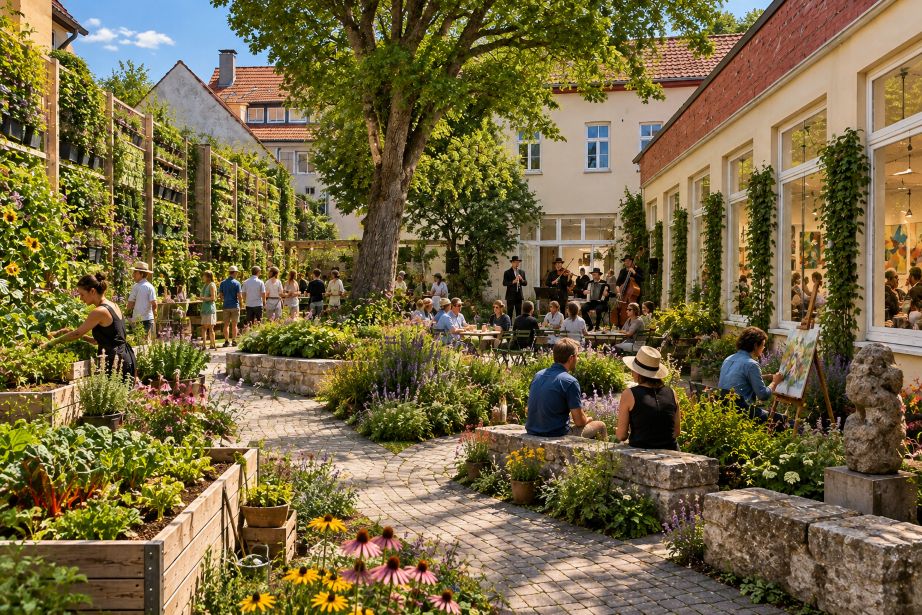
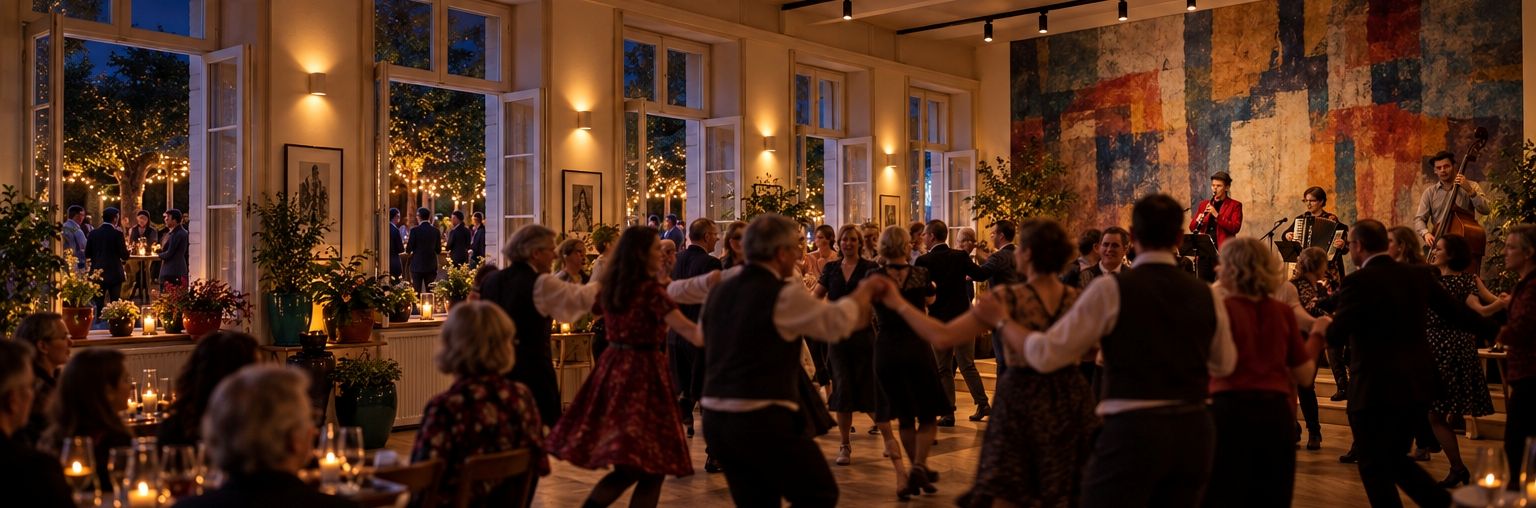
Artists, musicians, students and educators will come not only to present work, but to create together. Rooms, gardens and future project spaces will create an intimate setting where creative practice is part of the everyday life.
Cultural & International Exchange
Programs fostering collaboration among German and international communities.
While history will be preserved and interpreted, the house will look outward. International connection is a means of bringing different cultural, academic and professional perspectives into the work taking place across Haus Löwenthal.
Living + Working at Haus Löwenthal
Residencies will bring musicians, artists, scholars, and students into direct engagement with the landscape and community. Participants live and work together, sharing meals, ideas, and creative practice.
Future programs include international music collaborations leading to a new Karl Adler Summer Music Series, hosting the annual Klezmer Music Festival, artist immersion residencies, sustainability research tied to academic institutions, and ERASMUS Living Lab field studies.
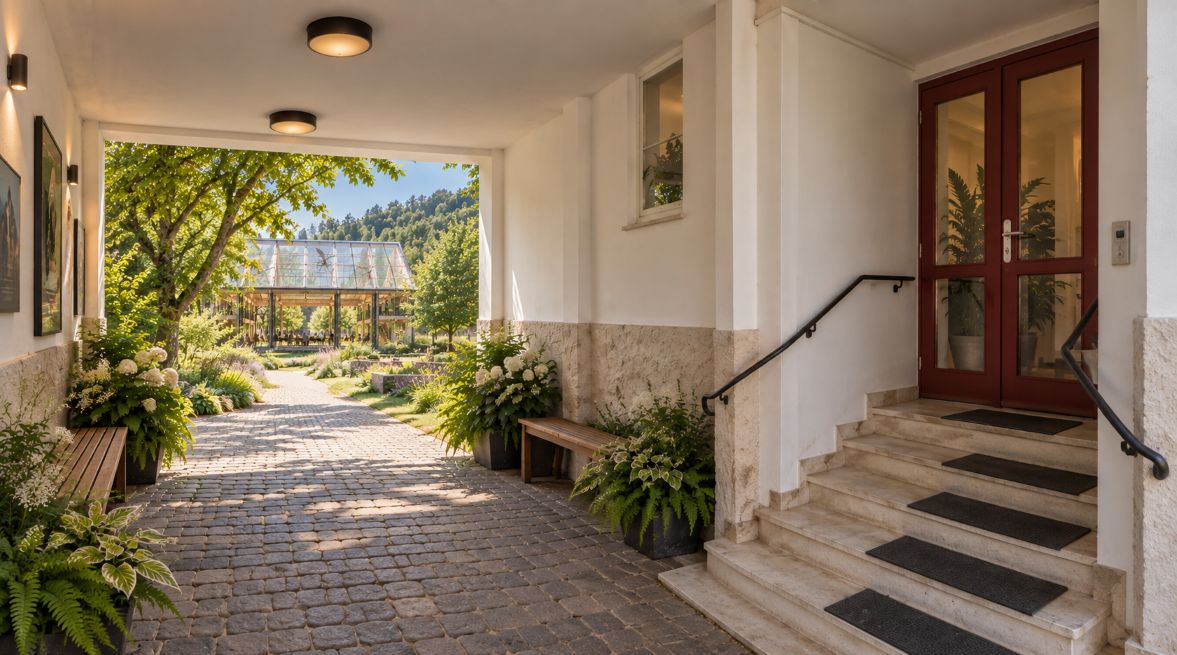
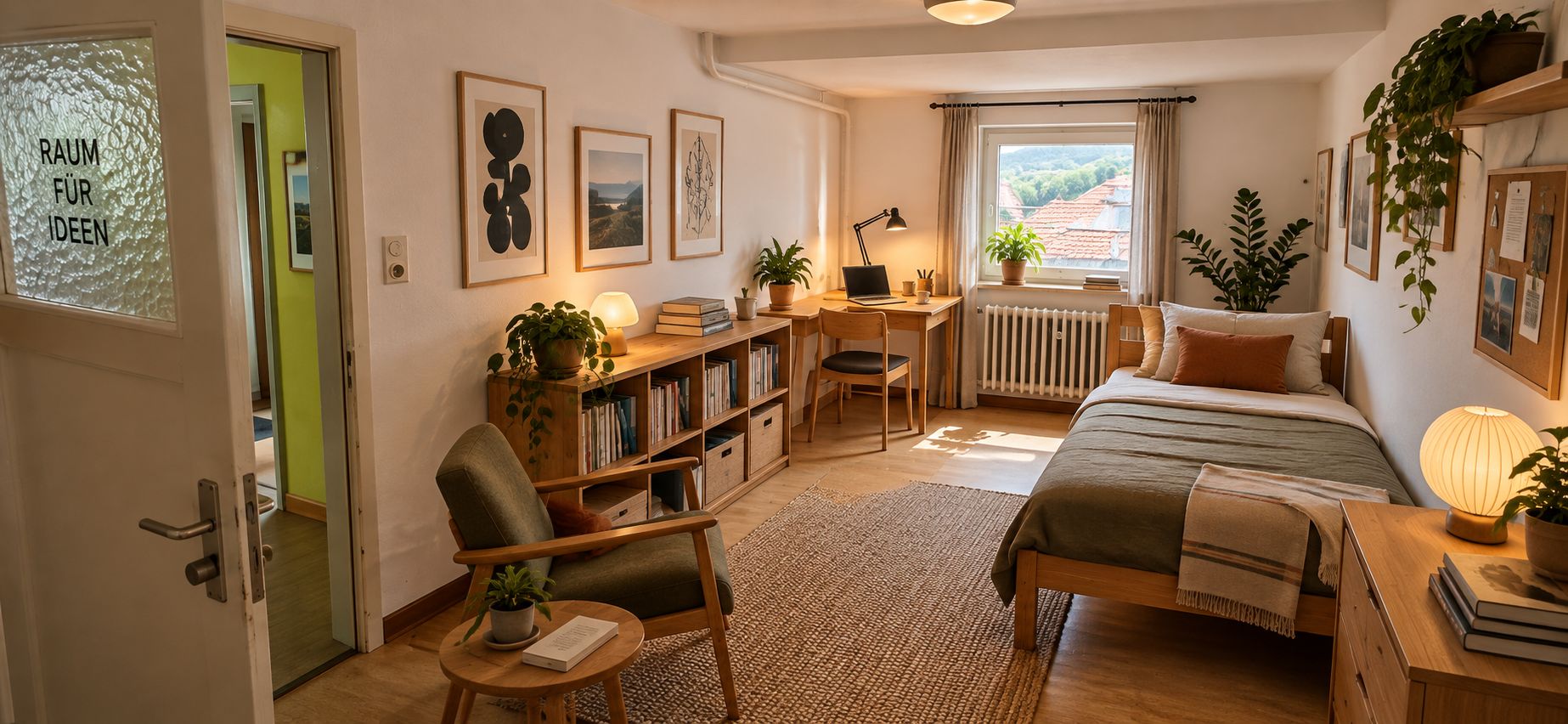
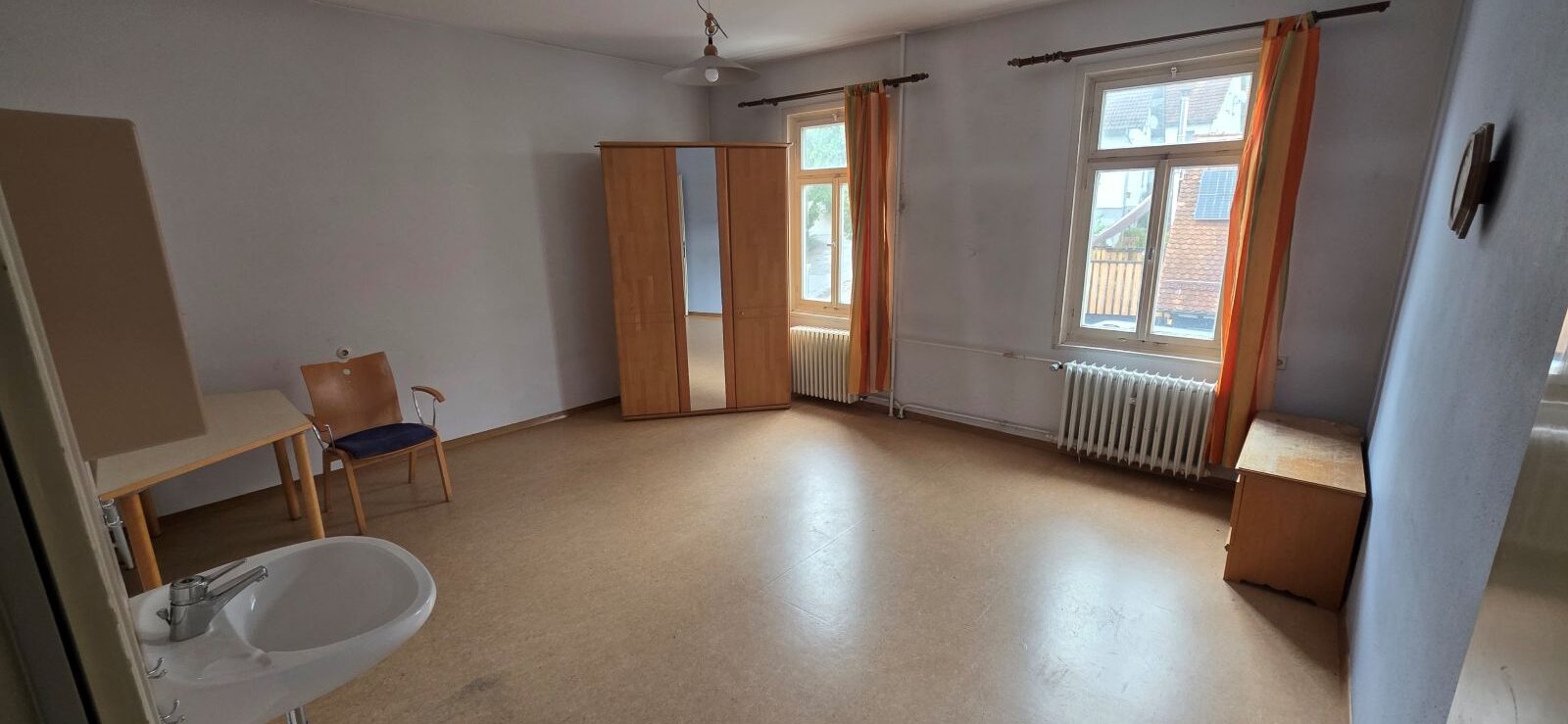
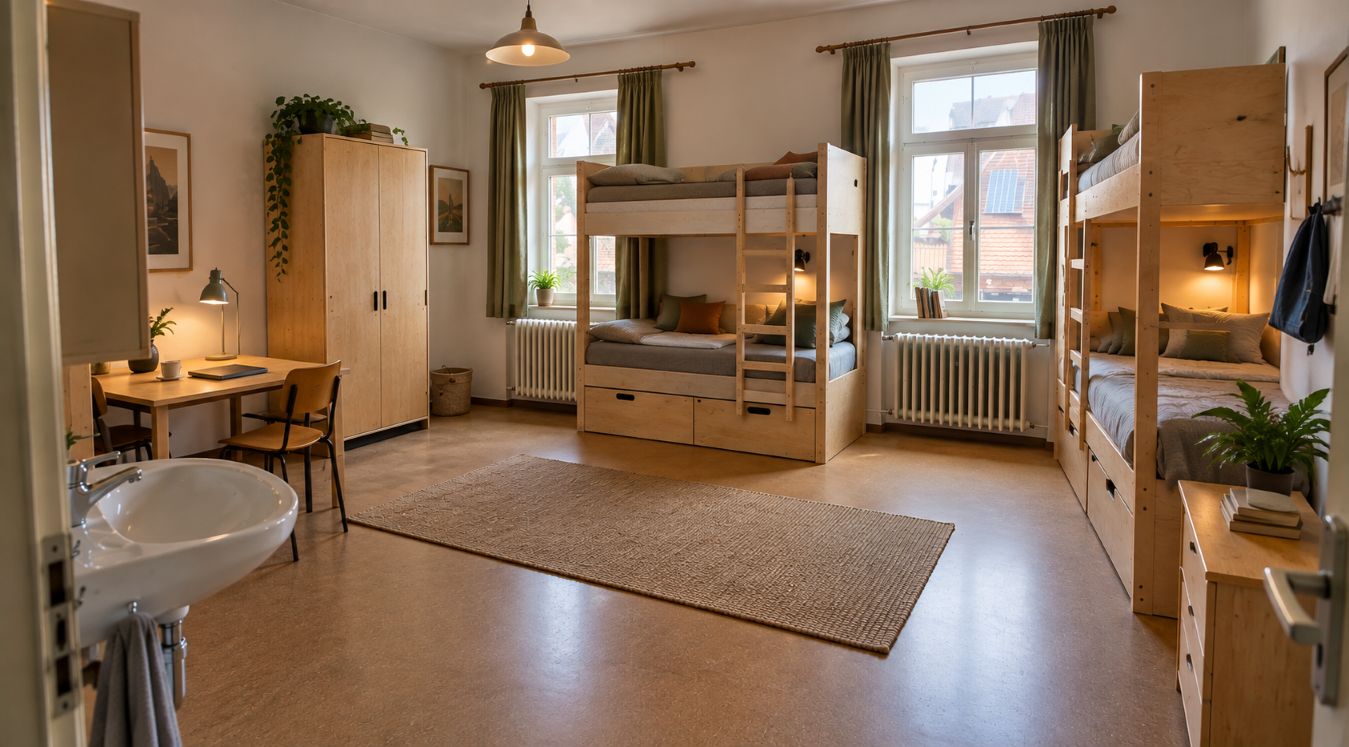
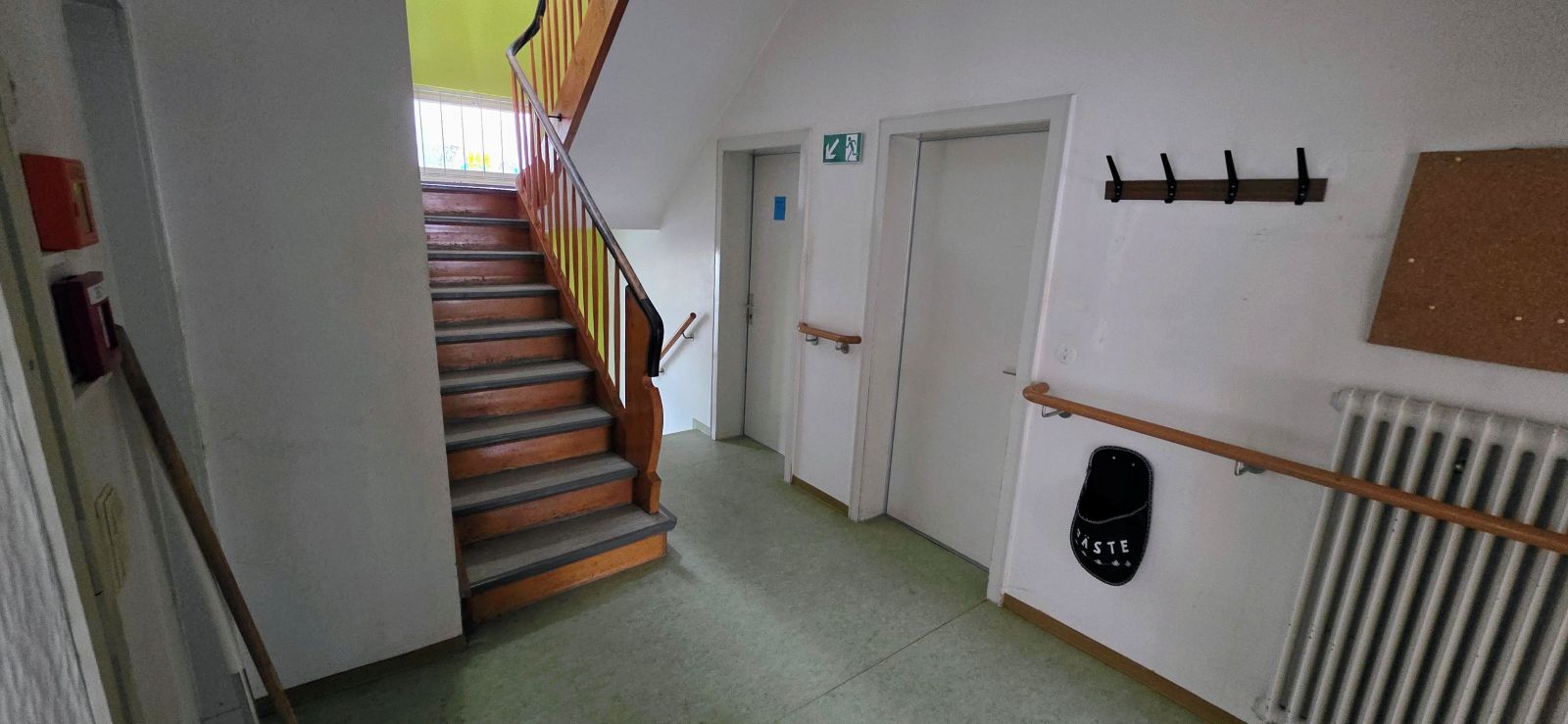
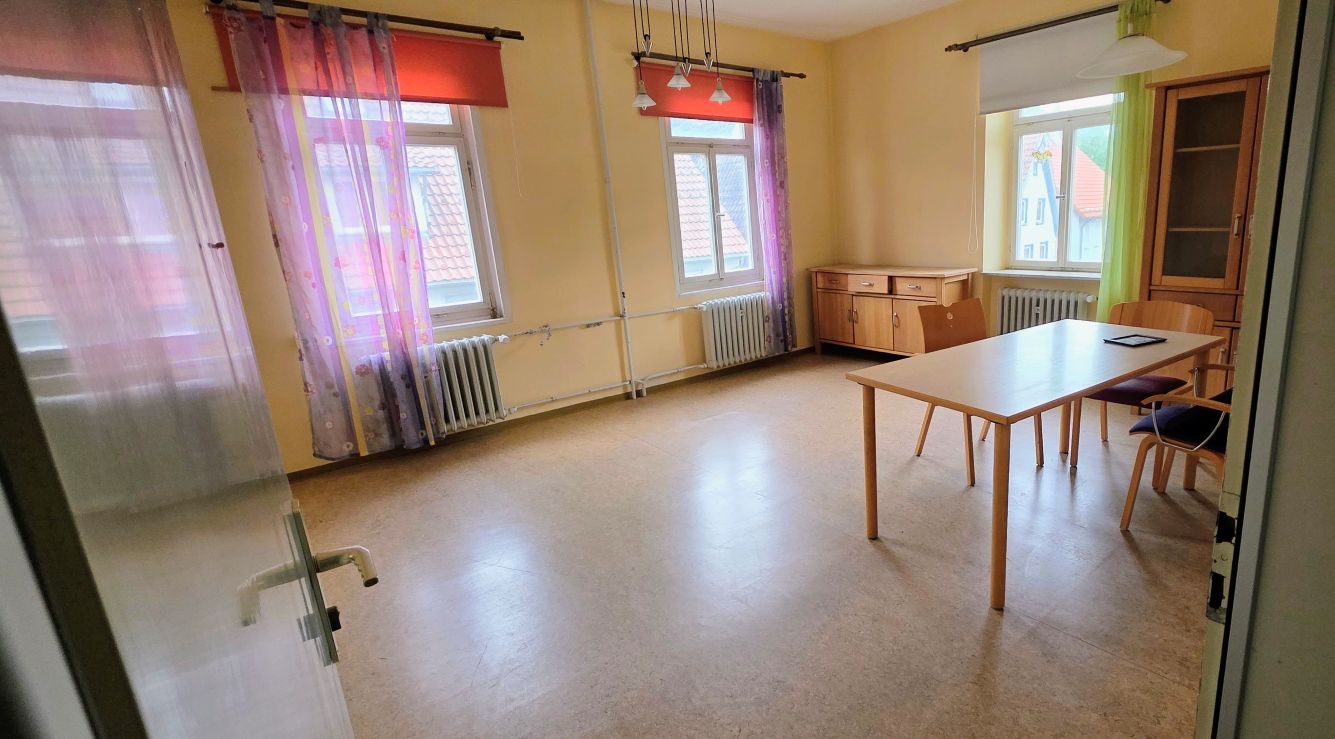
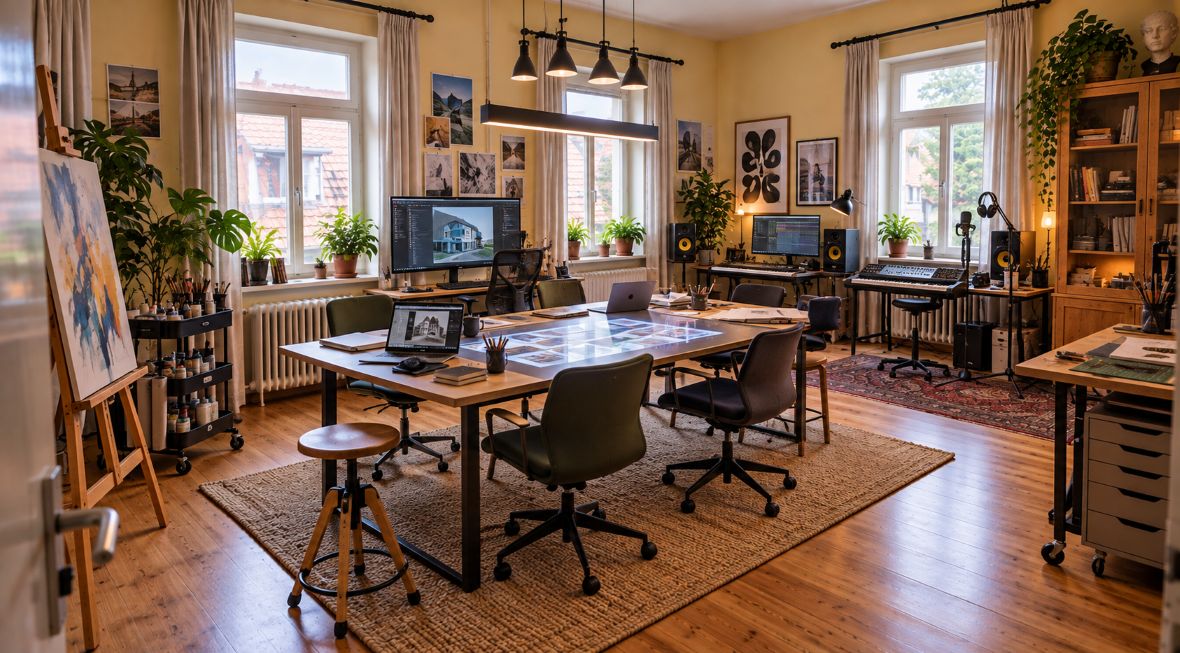
Gallery of Interior spaces
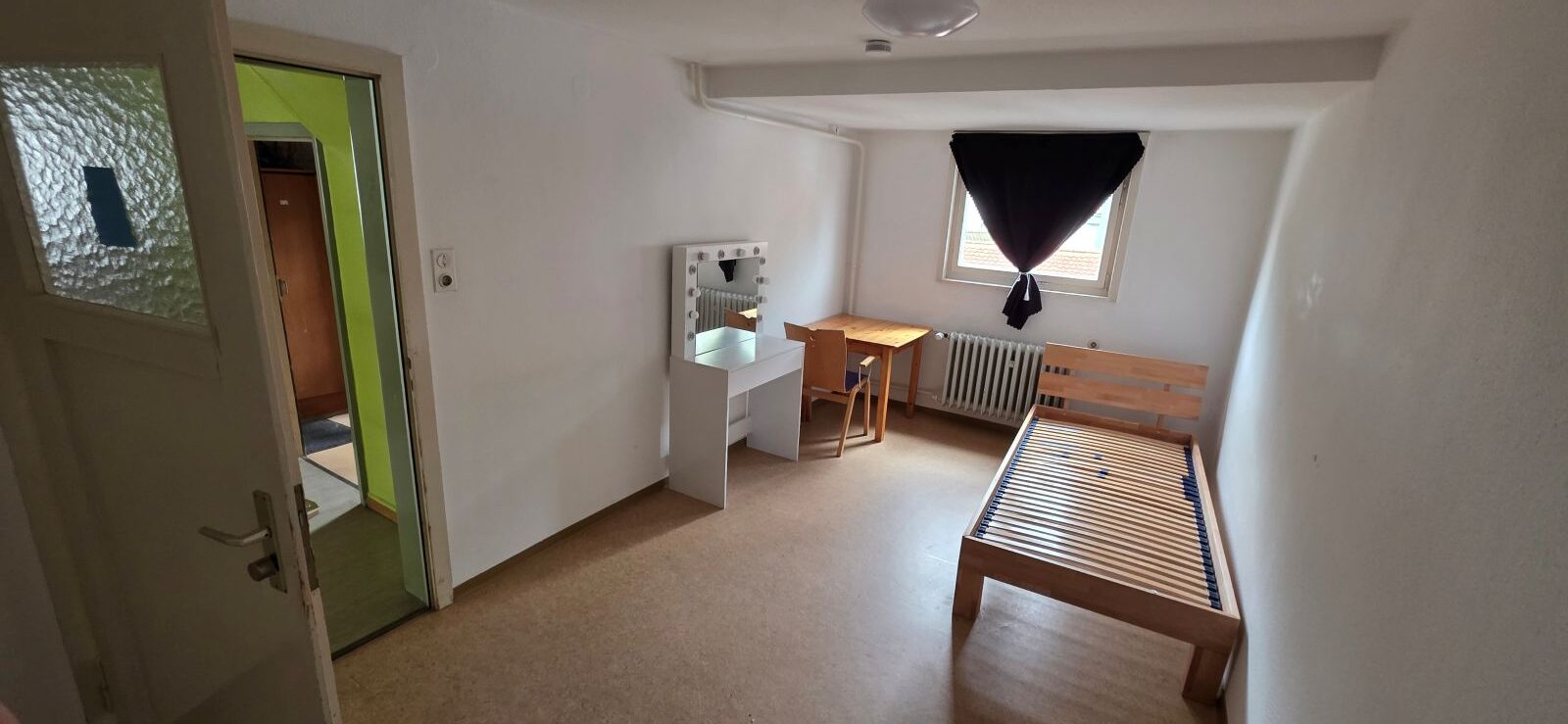
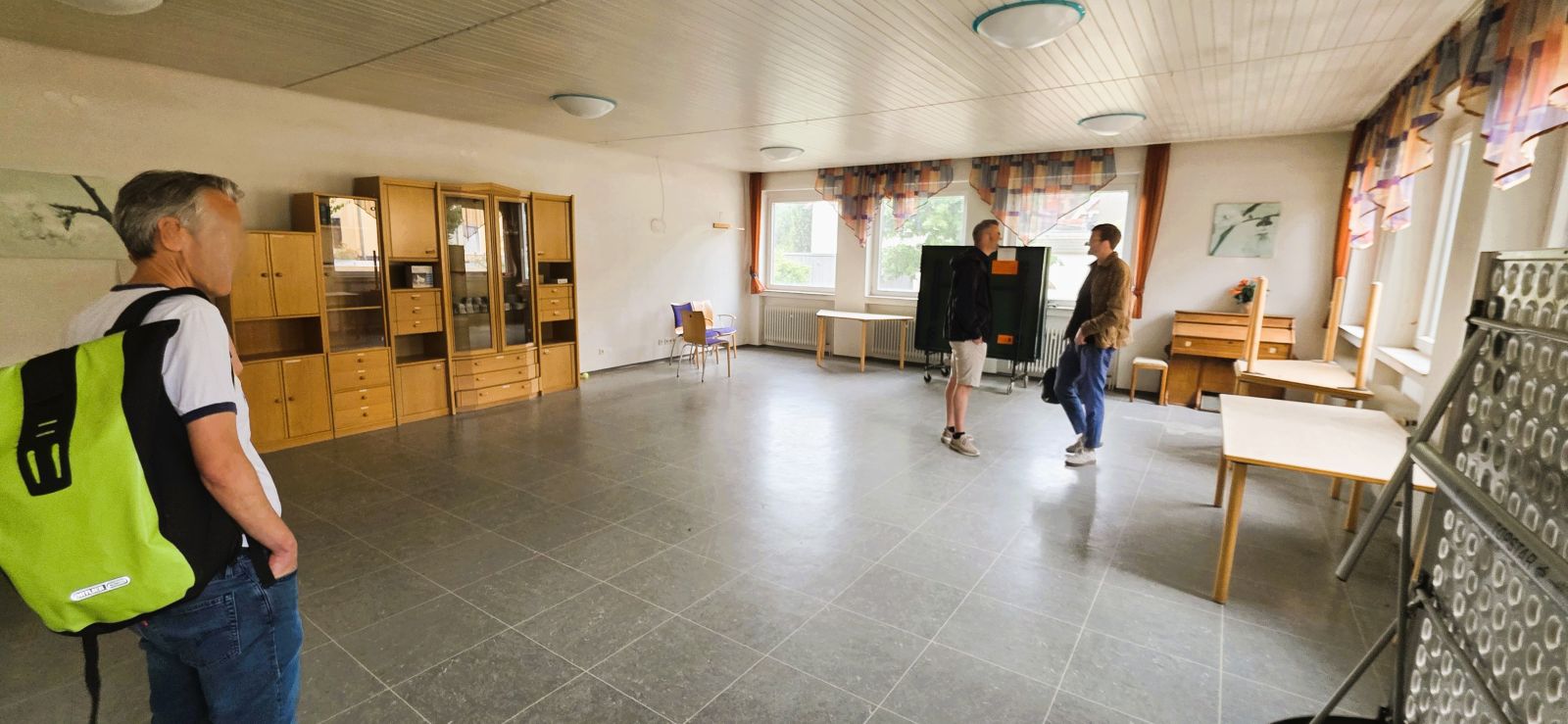
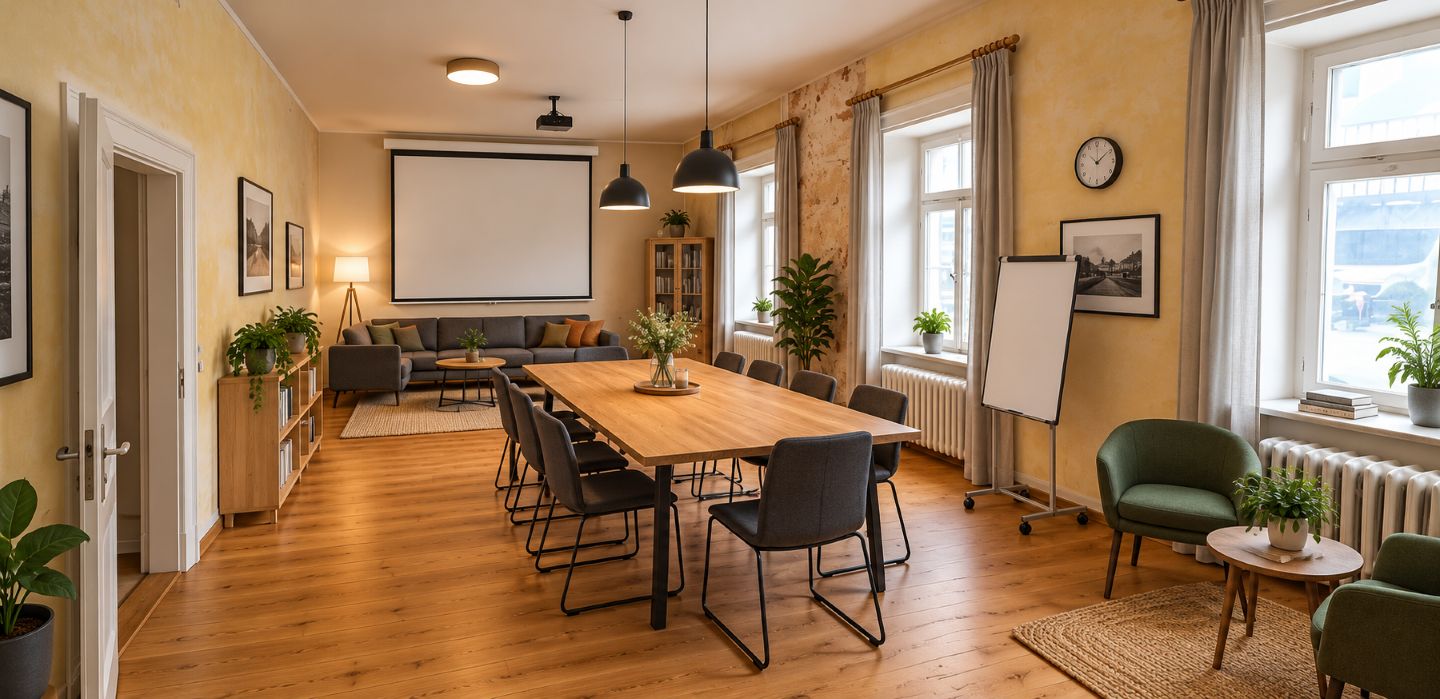
The house retains its original character while offering modern flexible spaces for living, study, and creative work. Renovation will preserve its historic integrity while adapting it for contemporary use.
Residency
color images are conceptual
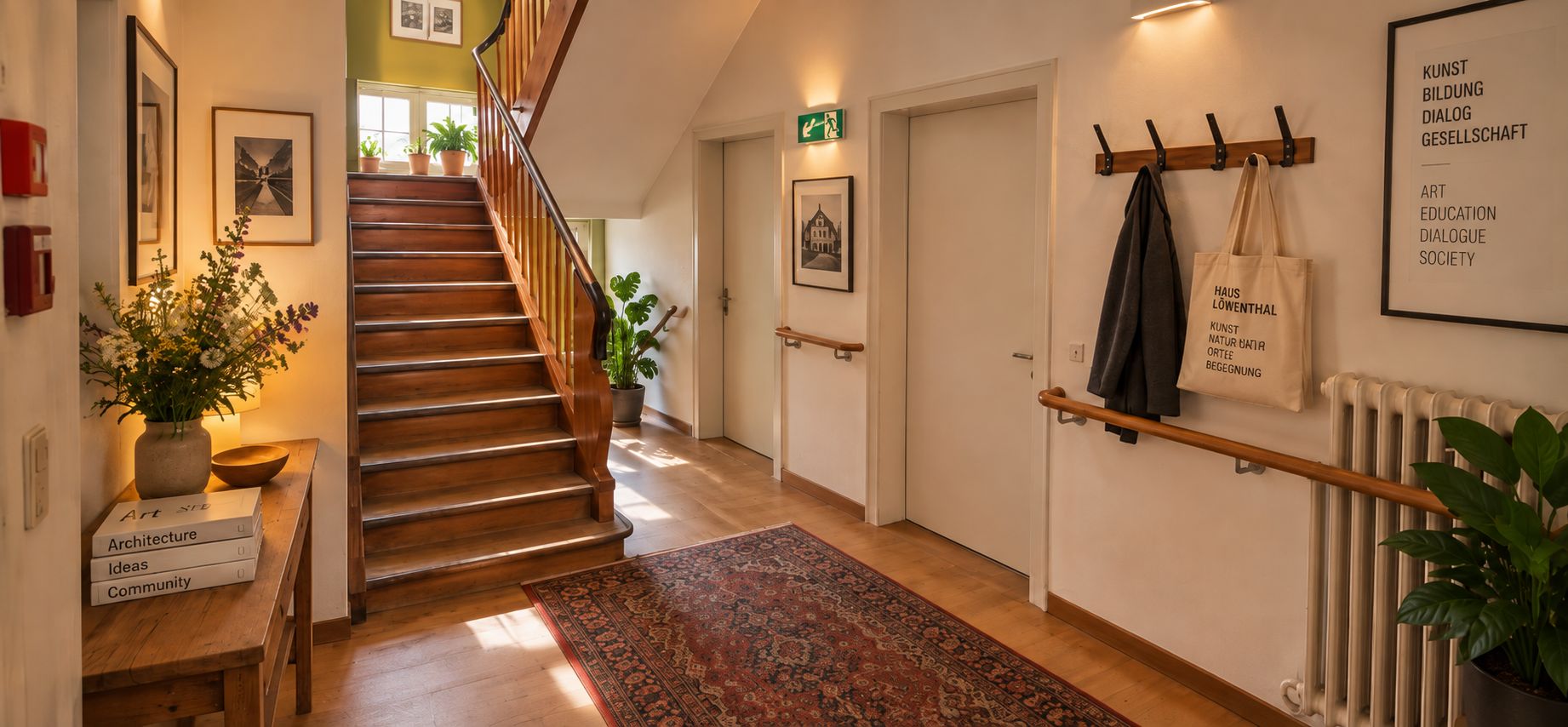
Creativity & Culture
color images are conceptual
From Vision to Reality
Haus Löwenthal is beyond simply an idea.
Intensive work in 2026 has led to several of the pieces necessary to transform the vision into a functioning institution coming together.
The current nonprofit owners of Haus Löwenthal are no longer using the space and are able to transfer the historic property to the new Stiftung Haus Löwenthal. Building documentation, operating information, and other materials have been assembled to support the transfer and future planning.
At the same time, an interdisciplinary network is forming around the project. Prospective advisers and collaborators now span municipal government, universities, cultural institutions, museum and exhibition practice, nonprofit management, Jewish community engagement, landscape and environmental disciplines, and the arts.
Specialist counsel is being engaged to guide establishment of the Stiftung, while relationships with potential institutional and philanthropic partners continue to develop.
The project has therefore entered a new phase:
from developing the idea of Haus Löwenthal to building the institution that can sustain it.
A Place for Growth
and Renewal
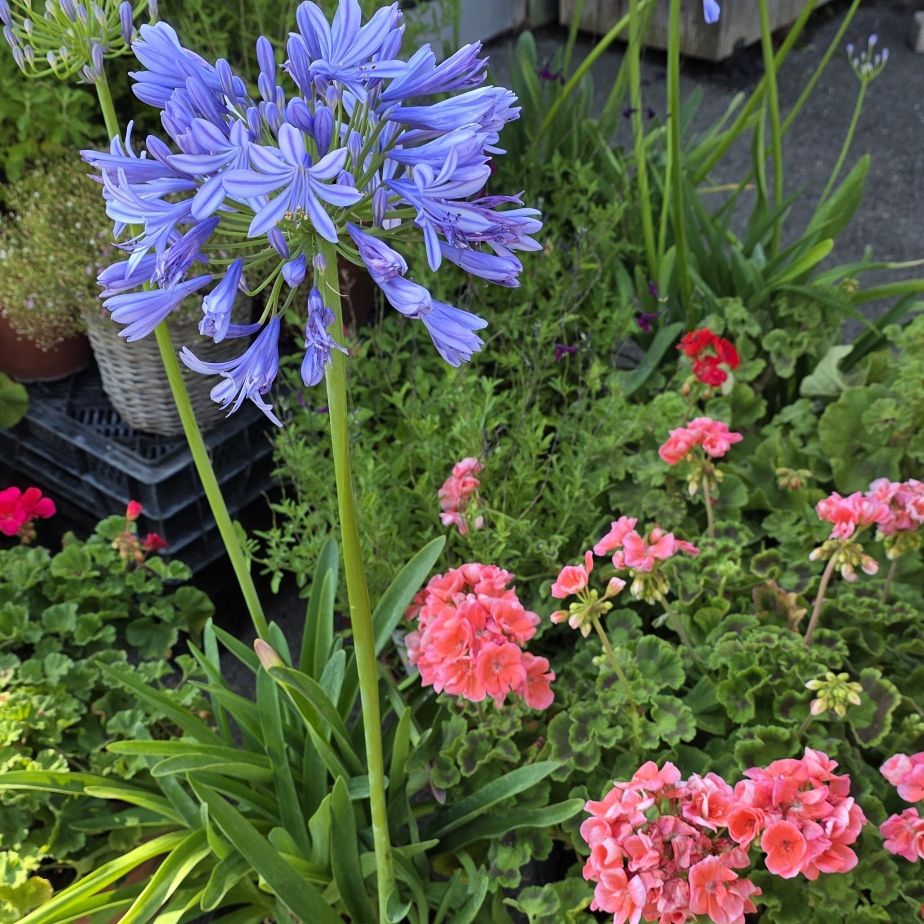
The gardens and surrounding landscape will become a living laboratory for regenerative practice — integrating food production, biodiversity, and ecological design.
Partnerships with regional experts will guide the transformation toward carbon‑neutral operation, renewable energy, and sustainable mobility.
Baukultur:
Heritage & Sustainability
Sustainability begins with what already exists.
SHL embraces the principle of Baukultur: understanding buildings, landscapes, cultural heritage and community life as parts of a shared built environment. The preservation and adaptive reuse of Haus Löwenthal will bring a protected historic building into active contemporary life while conserving its material and cultural resources.
Through restoration, climate-responsive design, renewable energy, biodiversity, and sensitive interventions, Haus Löwenthal will become a living laboratory for exploring how historic places can contribute to a sustainable future.
Heritage and innovation are partners: Each gives meaning to the other.
Built Through
Partnerships
SHL’s strength lies in collaboration. The foundation works with universities, cultural institutions, and community organizations to develop programs that connect local heritage with international exchange.
The work is already beginning
The future programs of Haus Löwenthal are beginning even before the formal establishment of the Stiftung is complete.
They are not simply preparation for a future institution -they are the beginning of it now.
During the 2026–27 academic year, university courses are using Haus Löwenthal, Buttenhausen and the surrounding cultural landscape as subjects for teaching, investigation and design.
Students and faculty will work on site in Buttenhausen, combining field investigation, design work and cultural engagement. The program will also connect with the Mittendrin initiative of Haus der Geschichte Baden-Württemberg.
These first programs provide an opportunity to initiate a fundamental idea behind Haus Löwenthal: groups living, working, researching and creating together within the house and its landscape.
What Comes Next
SHL is entering its formative phase.
Planning for the property transfer marks the beginning of institutional development.
Next steps include:
- Establishing the foundation and advisory board;
- Launching pilot programs in sustainability, art, and music;
- Developing the Karl Adler Summer Music Series;
- Renovating Haus Löwenthal for initial residencies;
- Expanding academic and cultural partnerships.
Each step builds toward a living campus for creativity, research, and exchange.
Contact & Support
Stiftung Haus Löwenthal is now forming its network of partners, donors, and collaborators. Institutions, foundations, and individuals are invited to join in shaping this new center for sustainable design, art, and intercultural dialogue.
Let’s connect — and build the future together.
© Stiftung Haus Löwenthal | Münsingen‑Buttenhausen